What attracts carpenter ants to Connecticut homes?
Why carpenter ants invade Connecticut homes
In Connecticut, carpenter ants are one of the most common pests to find their way indoors, especially during spring and summer. Unlike termites, they do not eat wood for food. Instead, they tunnel through damp or weakened wood to build nests. The main things that attract them are moisture, food sources, and easy entry points. If you notice large black ants with segmented bodies moving along baseboards or windowsills, the problem often starts outside and gradually moves inside as conditions become favorable.
Moisture is the number one draw
Carpenter ants need a moist environment to thrive. In Connecticut, the humid summers and frequent rain create ideal conditions around homes. Leaky roofs, clogged gutters, and poorly sealed windows let water seep into wooden structures. Over time, this moisture softens the wood, making it easier for ants to chew through and establish satellite colonies. Even a small plumbing leak inside a wall can create enough dampness to attract a foraging ant colony. The ants are especially drawn to areas like attic rafters, crawl spaces, and the sill plates where the foundation meets the wooden frame.
Food sources that bring them closer
While carpenter ants primarily feed on dead insects and plant nectar, they are also attracted to sugary and protein-rich foods inside homes. Pet food left out overnight, crumbs under appliances, and unsealed pantry items can all invite ants indoors. Once a scout ant finds a reliable food supply, it lays down a chemical trail that other ants follow. This is how ant trails form, and they can lead directly from a nest in a tree stump outside to your kitchen cupboards. Keeping surfaces clean and storing food in airtight containers reduces the chance of attracting these ants inside.
Easy entry points around the foundation
Connecticut homes often have foundation cracks, gaps around utility lines, and spaces where siding meets the ground. These openings provide direct access for carpenter ants looking for shelter. The ants do not need a large gap; a crack as thin as a credit card is enough for them to squeeze through. Overhanging tree branches and shrubs touching the house also act as bridges, letting ants bypass the foundation entirely. Sealing these entry points with caulk or expanding foam can help, but it is important to first address any moisture issues that make the wood inside attractive in the first place.

How ant colonies grow and spread
A mature carpenter ant colony can contain thousands of workers, but the real problem is that it often splits into multiple satellite colonies. The parent colony usually lives outside in a rotting tree stump, woodpile, or fence post. Foragers from that colony travel into the house to find food and moisture. If they find a consistently damp spot, they may start a satellite colony inside the walls, under insulation, or even inside hollow doors. These satellite colonies are the ones that cause structural damage because they actively tunnel through wood to expand their living space. The damage often goes unnoticed until the wood is hollowed out enough to weaken beams or floorboards.
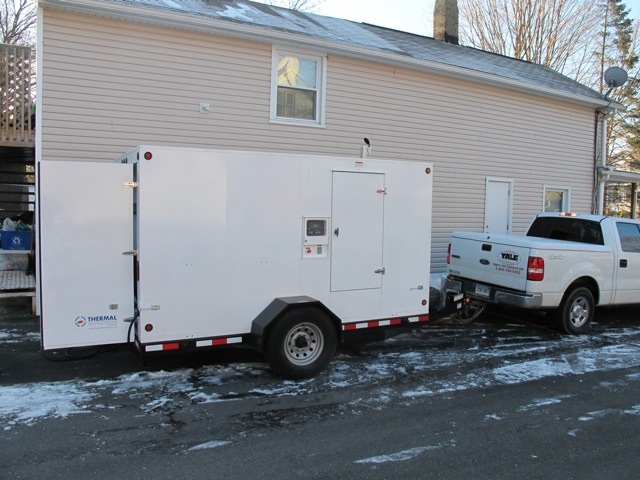
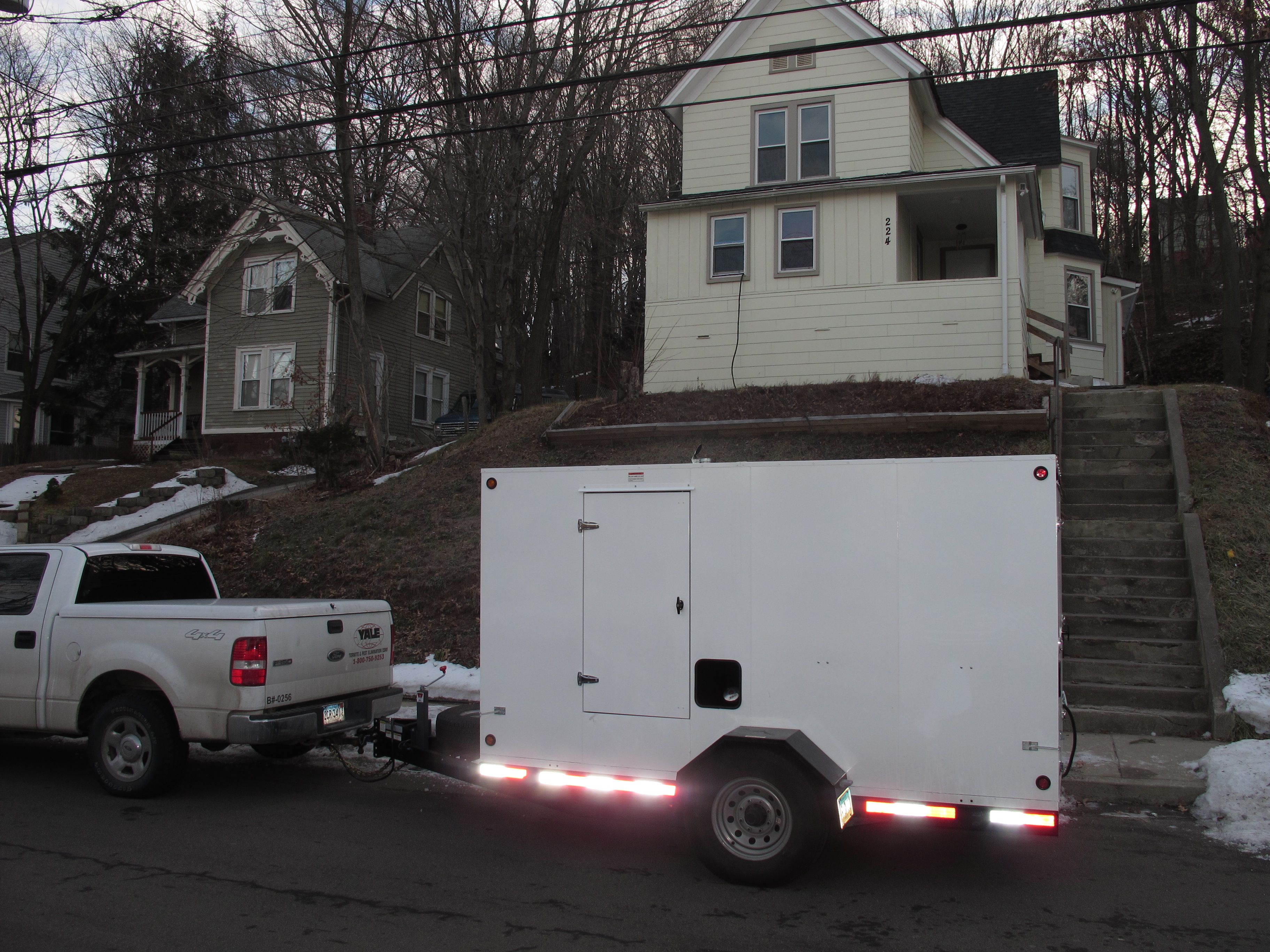
Professional ant control services are often needed once a colony is established inside the structure. In Connecticut, companies like Yale Pest Control specialize in locating the nest and treating the infestation at the source. Their approach typically involves identifying the parent colony outside and then eliminating satellite colonies inside using targeted methods such as bait stations or wood treatment. This is far more effective than simply spraying ants on baseboards, which only kills the visible workers and leaves the colony intact.
Signs that carpenter ants are present
Spotting the ants themselves is the most obvious sign, but there are other clues. Look for piles of fine sawdust, called frass, near baseboards or windowsills. This sawdust is the debris the ants push out as they tunnel through wood. You might also hear a faint rustling sound from inside walls on quiet nights, especially in spring when the colony is most active. Another sign is the presence of winged ants, which are the reproductive members that swarm to start new colonies. If you see winged ants indoors, it often means a mature colony is already living inside the house.
What to do if you suspect an infestation
The first step is to find and fix any moisture problems. Check for leaking pipes, poor attic ventilation, and gutters that overflow during rain. Remove any wood-to-soil contact, such as firewood stored directly on the ground or wooden steps resting on soil. Trim back tree branches and shrubs that touch the house. These steps make the environment less inviting for ants and also help prevent other pests like termites and powderpost beetles.
Next, seal obvious entry points. Use silicone caulk to close foundation cracks and gaps around windows and doors. Install door sweeps and make sure screens are intact. But sealing alone will not stop an established colony; it only prevents new foragers from getting in.
For an active infestation, most experts recommend using bait stations placed along ant trails. The ants carry the bait back to the colony, where it slowly kills the workers and the queen. This method can take a few weeks but is more thorough than spraying. Over-the-counter sprays often scatter the colony, making it harder to find and treat later.
If the problem persists despite your efforts, it is time to call a professional. Yale Pest Control serves residential and commercial properties across three Connecticut counties, offering ant control services that go beyond surface treatments. Their technicians are trained to locate hidden nests and apply the right treatment for each situation, whether it is a small satellite colony or a large parent colony in the yard.
Preventing future infestations
Once the current infestation is resolved, focus on long-term prevention. Keep gutters clean and downspouts directing water away from the foundation. Fix any leaks immediately. Store firewood at least 20 feet from the house and off the ground. Consider having a pest control professional inspect your home annually, especially if you live in a wooded area or an older home with wooden construction. Regular inspections catch problems early, before the ants have time to cause serious structural damage.
Carpenter ants are a persistent problem in Connecticut because the climate and landscape provide ideal conditions for them. But with a combination of moisture control, good sanitation, and professional help when needed, it is possible to keep them out of your home. The key is understanding what draws them in and addressing those factors before the ants find their way inside.